


Coal Activated Carbon
As an activated carbon manufacturer, Hongsen Carbon researches and develops various series of activated carbon, forming a vertically integrated business structure from raw material collection and processing to product terminal sales.
We offer flexible OEM/ODM services, including customization of your branded packaging and activated carbon specifications. We support various trade terms such as CIF and FOB to ensure seamless global delivery. For bulk orders, we provide competitive tiered pricing to maximize your procurement advantages.
Our Certificate




Our Service
On-time Delivery
Ensure timely shipment without delay.
Customizable Packaging
OEM bags, ton bags, palletized export packing.
Quality Guarantee
Strict QC, test reports available.
Fast Response
24h quick reply, dedicated support.
we are here for you
What is Coal Activated Carbon
Coal activated carbon is a fine black powder or granular material made from coal that has been heated to a high temperature in the absence of air to activate its porous structure. It has a large surface area and high adsorption capacity, making it effective in removing impurities, contaminants, and odors from air, water, and other liquids. Coal based activated carbon is widely used in industrial, commercial, and environmental applications, such as water treatment, air purification, gas separation, and food and beverage processing.
Different types of coal based activated carbon
Granular activated carbon
This type of activated carbon consists of small, granular particles. It can be used as a filtration media to remove organic compounds, chlorine, and other chemicals from water. It can also be used to remove odors and improve the taste of water. Additionally, granular activated carbon is an effective adsorbent for volatile organic compounds and can be used in air purification systems.


Powdered activated carbon
This type of activated carbon is made up of very fine particles that provide a unique pore structure and adsorption properties. It is commonly used for wastewater treatment as a versatile and effective adsorbent. It is often added to the water in small amounts and allowed to settle, or it can be packed into a filter for continuous use.
Pelletized activated carbon
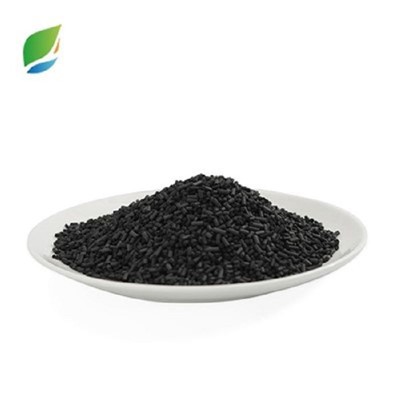
It is a form of activated carbon that is manufactured by compressing activated carbon powder into small cylindrical pellets, typically around 0.8 to 5 mm in diameter. Pellet activated carbon is commonly used in gas purification processes, such as removing volatile organic compounds and odors from air streams.

Principle Of coal based activated carbon
Coal activated carbon works on the principle of adsorption. The activated carbon has an extremely porous surface area with a vast array of small channels that allow the carbon to adsorb gases and liquids. The activated carbon is produced by heating a carbon source, such as coconut shells, in the absence of oxygen. This creates an irregularly shaped material with many tiny pores that increase the surface area available for adsorption.
When a liquid or gas comes into contact with activated carbon, the surface area of the carbon attracts and holds the molecules of the substance. The process of adsorption is not a chemical reaction but rather a physical process in which the molecules of the substance adhere to the surface of the activated carbon through weak van der Waals forces.
The effectiveness of activated carbon depends on a variety of factors, including the quality of the carbon produced, the degree of activation, the concentration of the substance to be adsorbed and the contact time between the carbon and the substance, air temperature, chemical boiling point, molecular weight, etc.
Coal Based Activated Carbon Manufacturing Process
Carbonization
Carbonization refers to the procedure of heating a carbon-rich substance to transform it into pure carbon. In this step, raw materials such as coconut shells, wood, or other biomasses are heated in the absence of air to remove all the impurities and volatile substances. After producing the porous carbon structure, it must be oxidized to become adsorbent. There are two possible methods for this: gas or chemical treatment.
Gas Treatment
Gas treatment is an important process in the manufacturing of activated carbon. Carbon can be activated by heating it in a chamber while pumping in gas, which allows it to be exposed to oxygen for oxidization purposes. This oxidization makes the carbon active and ready for adsorption, which is the process of surface bonding for chemicals. This unique property is what makes activated carbon so effective at filtering out waste and toxins from liquids and gases. To treat physical gas, the carbonization pyrolysis process must occur in a controlled environment without oxygen, between temperatures of 600-900 degrees Celsius. Then, oxygenated gas is introduced and heated between 900 and 1200 degrees Celsius, which facilitates the bond between oxygen and carbon's surface.
Chemical Treatment
Chemical treatment is another important process in the manufacturing of activated carbon. The process involves the use of chemicals to remove impurities and contaminants from the activated carbon, while carbonization and chemical activation occur simultaneously. To prepare active carbon, the substance is submerged in a solution of acid, base or other chemicals and heated at temperatures ranging from 450-900 degrees Celsius. This method is faster than gas activation but some impurities may be introduced if trace elements from the solution adsorb onto the carbon during the heating process. After the chemical treatment process, the activated carbon is washed with water to remove any remaining chemicals. The carbon is then dried and sieved to ensure that it is the right size for its intended use.
Post Treatment
Once oxidized, activated carbon can be processed for many different uses. For example, activated carbon can be processed into granular activated carbon (GAC), powdered activated carbon (PAC), impregnated carbon, polymer-coated carbon, etc.
Features of Coal Based Activated Carbon

High surface area
Activated Charcoal Columnar has a very high surface area due to its porous structure, resulting in an exceptionally high capacity and efficiency. This high surface area allows it to effectively absorb a wide range of impurities and contaminants.
High adsorption efficiency
Coal granular activated carbon have a strong adsorption capacity, which allows it to adsorb a variety of organic and inorganic compounds. This makes it an effective material for removing impurities from water, air, and other liquids and gases.
Reuseable
Activated carbon can be regenerated by heating it to high temperatures, allowing it to release the adsorbed contaminants and renew its adsorption capacity. It also has the ability to withstand the abrasion associated with repeated backwashing and hydraulic transport.
Chemical stability
Carbon activated charcoal is highly chemically stable, which allows it to resist degradation and maintain its effectiveness over time. Thus, it can be used for filtering waters having a wide range of PH levels.
Application of Coal Activated Carbon
Portable water purifier: Coconut shell activated charcoal is a highly porous material that is used in portable water purifiers to remove impurities and contaminants from the water by attracting and retaining them on its surface.
Wastewater treatment: Activated carbon for water purification is widely used as a water purifying agent to remove impurities such as chlorine, pesticides, and other contaminants.
Industrial air purification: Activated carbon for odor control can absorb various particles and impurities present in the air, making it an effective air filter.
Purification of food and beverages: Activated charcoal for human consumption is used in the food and beverage industry to remove unwanted tastes, odors, and impurities from products such as sugar, coffee, and alcoholic beverages.
Medical and Pharmaceutical Uses: It is commonly used in medical applications such as kidney dialysis and the treatment of drug overdose.
Automotive use: It is used in automotive applications to remove unpleasant odors, harmful gases, and pollutants from the air inside the vehicle.
Chemical purification: It is a highly porous form of carbon with a large surface area that can adsorb impurities and contaminants from chemical substances, making it effective for chemical purification.
FAQ

CONTENT
01. Are activated charcoal and activated coal the same substance?
02. Is the process of Coal Based Activated Carbon Absorption or Adsorption?
03. Is there a distinction between Activated Carbon and Activated Charcoal, or are they the same material?
04. What physical characteristics does activated carbon have?
05. What materials are activated carbon made of?
06. How long does activated carbon last?
07. Is activated carbon capable of eliminating VOCs?
08. Can activated carbon remove formaldehyde?
09. What types of pollutants does Coal Based Granular Activated Carbon remove?
10. What is the most effective activated carbon?
About 85% to 90% of coconut shell activated carbon's surface area is micropores. These micropores typically match the size of contaminant molecules in air and drinking water, making coconut shell activated carbons very effective at capturing contaminant molecules.
As one of the leading coal activated carbon manufacturers and suppliers in China, we warmly welcome you to buy or wholesale coal activated carbon made in China here from our factory. All our products are with high quality and low price. For free sample, contact us now.
decontamination activated charcoal, Charcoal Powder For Water Purification, activated carbon for purification