What is Activated Carbon Powder?
Powdered activated carbon (PAC) stands as a ubiquitous adsorbent, renowned for its remarkable ability to offer an exceedingly high specific surface area. This characteristic significantly contributes to the augmentation of micropollutant removal mechanisms, primarily through direct adsorption and the facilitation of enhanced biodegradation processes, the latter of which is often bolstered by the formation of biofilms. PAC's versatility and efficiency in these applications make it a highly sought-after tool in various environmental remediation efforts.
Why Choose Us
High quality
Our products are manufactured or executed to very high standards, using the finest materials and manufacturing processes.
Competitive Price
We offering a higher-quality product or service at an equivalent price. As a result we have a growing and loyal customer base.
Rich experience
Our company has many years of production work experience. The concept of customer-oriented and win-win cooperation makes the company more mature and stronger.
Global shipping
Our products support global shipping and the logistics system is complete, so our customers are all over the world.
After-sale service
Professional and thoughtful after -sales team, let you worry about us after -sales Intimate service, strong after -sales team support.
Advanced equipment
A machine, tool or instrument designed with advanced technology and functionality to perform highly specific tasks with greater precision, efficiency and reliability.

Coal based activated carbon with high quality anthracite as raw material, activation and the use of advanced technology refined processing carbide, coal activated carbon pellets has a reasonable pore structure, developed pore structure, large surface area, light weight, strong adsorption capacity, good abrasion resistance, high adsorption properties, high mechanical strength and long working time.

Material: Coal
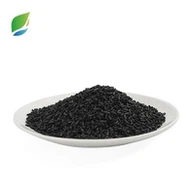
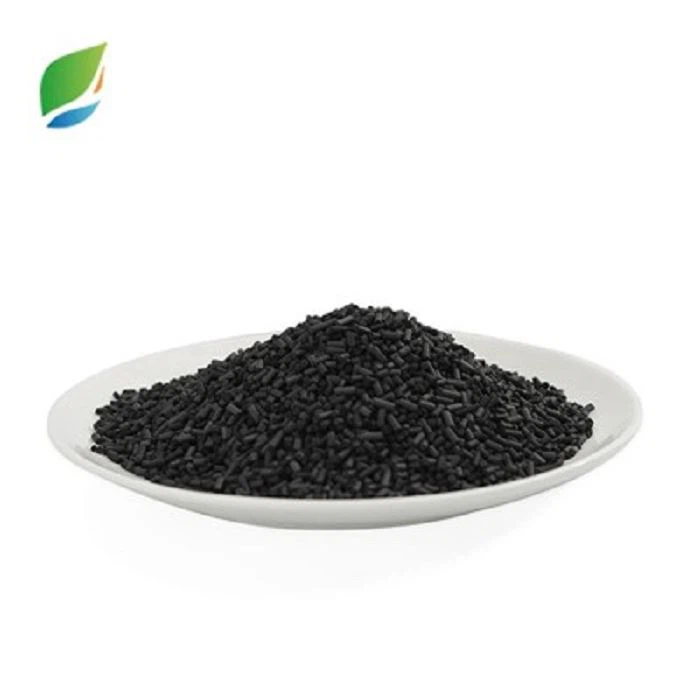
Exterior: Black Columnar
Specific Surface Area: 400-1500㎡/g
Iodine Value: 700-1100mg/g

Coal columnar activated carbon is made from high quality coal, with rich absorption holes, well stability and strength. They, as Chemical Auxiliary Agent, are widely used in gas treatment, sewage treatment, desulfurization and denitration, solvent recovery, nitrogen generation, air separation equipment, paint workshop and other fields.
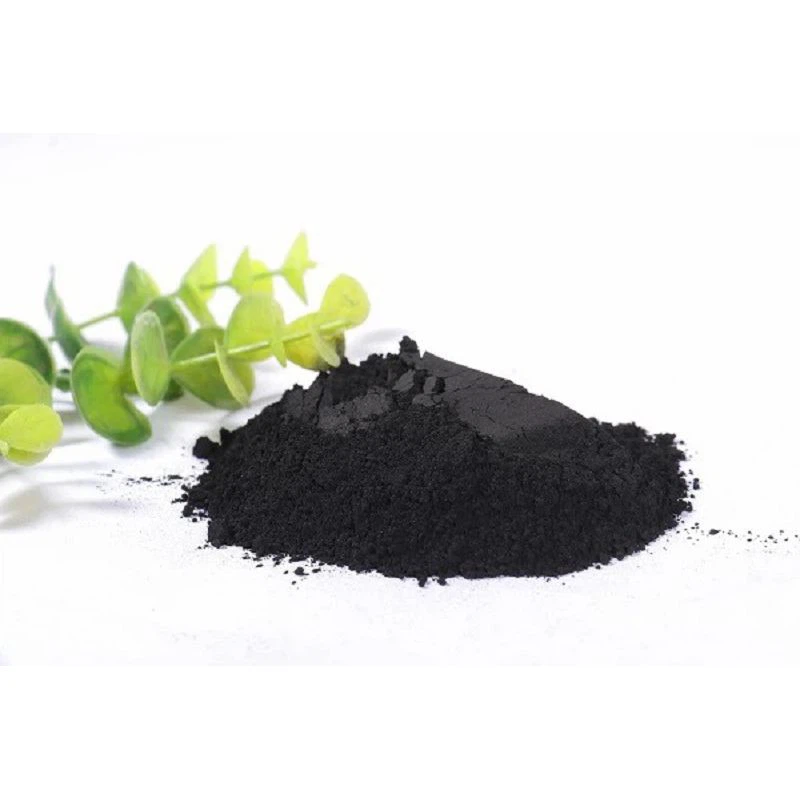
The advantages of for coating plant, organic solvents,volatile gas masks toxic gas purification, gas processing , industrial and domestic water purification, solvent recovery and so on.
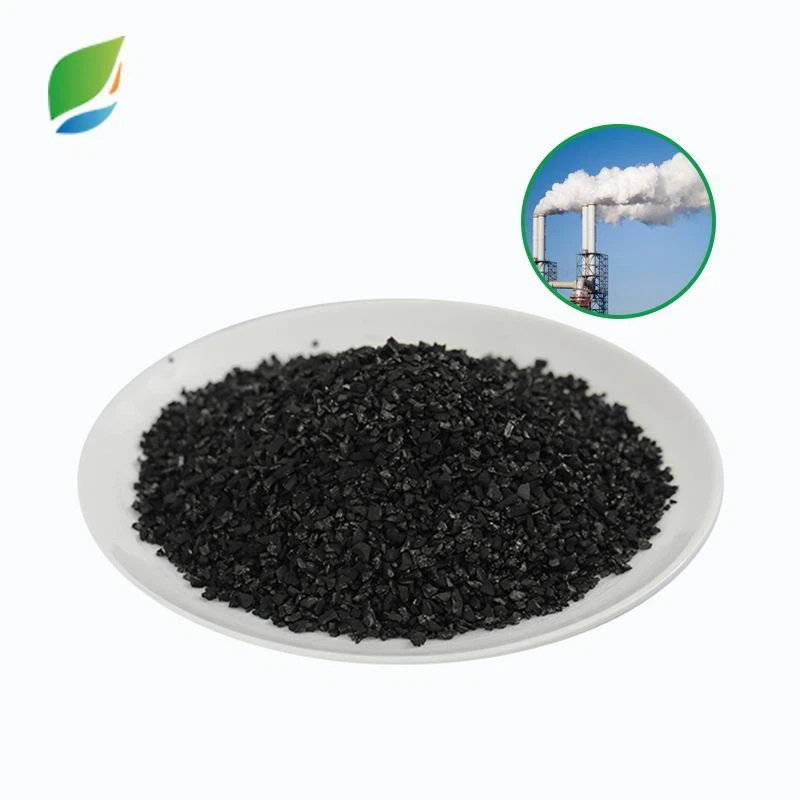
Coal Based Granular Activated Carbon
Powdered activated carbon (PAC) is a widely used adsorbent to provide high specific surface area to enhance micropollutants removal through direct adsorption and enhanced biodegradation with biofilm formation.

Active Carbon Production From Coal
Granular coal activated carbon produced by high quality anthracite. This product widely used water treatment and waste air purification, This product has all the functions of other activated carbons.

Activated Charcoal Pellets for Odor Control
Take high quality coal or wood as raw materail
It is black pellets with large specific surface area
Deveoped and reasonable pore structure.
Advantages of Activated Carbon Powder
The advantages of powdered activated carbon include the fact that it provides effective pollutant adsorption, is cost-effective, environmentally friendly, and is easy to use. As powdered activated carbon has a finer structure than granular activated carbon, it also has a larger surface area, which enables a higher adsorption capacity.
Filter speed: Since powdered activated carbon has a smaller particle size, its filter speed is higher. This means that liquids such as water or air can pass through the activated carbon more quickly.
Good adsorption performance: Powdered activated carbon adsorbs pollutants effectively thanks to its large surface area and pore structure. This means that it can effectively remove organic matter, chemicals, toxins, and bad odours.
High colour removal and odour removal properties: Powdered activated carbon has the ability to effectively remove coloured compounds and unpleasant odours in liquids such as water or air. It's therefore often used in water treatment to remove colourants and bad odours.
Low economic cost: Powdered activated carbon can be less expensive than granular activated carbon. This makes it a more economical option for large-volume applications.
Strong adsorption capacity: Powdered activated carbon has a high adsorption capacity thanks to its high pore structure and large surface area. This means that it's able to effectively bind and retain pollutants.
Easy dosing: Powdered activated carbon is easy to distribute as it has a small particle size. This allows it to be distributed homogeneously in the water or air flow. In addition, powdered activated carbon fits easily into finer philtre meshes due to its smaller size and enables more effective filtration.
Easy regeneration and recycling: Powdered activated carbon is easier to regenerate and recycle than granular activated carbon. This means that expired powdered activated carbon can be reused, which reduces costs.
Wide range of applications: Powdered activated carbon has a wide range of applications for water purification, gas purification, chemical processes, pharmaceutical production, food processing, and many other industrial applications. It is widely used in water treatment plants, drinking water treatment, process water treatment, and waste water treatment. It is also used for air purification in ventilation systems and is effective in the purification of gases.
Long-term stable performance: Powdered activated carbon has stable performance and can maintain its effectiveness for a long time. This means a long service life and fewer regular maintenance requirements.
Environmentally friendly: Powdered activated carbon can be made from natural and renewable resources and can be subjected to frequent recycling and reuse processes. This demonstrates that it is an environmentally friendly agent that contributes to sustainability goals.
What is The Application of Powdered Activated Carbon?
The process of using activated carbon is simple: combine microscopic grains of carbon with polluted items you wish to cleanse, such as water, air, metals, or the human body.
Activated carbon is a kind of porous carbon made by charring carbonaceous materials and filling them with dehydration chemicals. It is also known as pure activated carbon powder. This sort of carbon is also known as activated charcoal or active carbon. Because of its adsorption properties, it is ideal for water filtration procedures.
Aside from giving birth to diamonds, the amazing thing about carbon is that it naturally attaches to organic poisons. When you add carbon to tainted water, the yucky particles adhere to it, and you scoop it out, leaving clean, drinking water behind.
So, what exactly is activated carbon? Carbon is "activated" by steaming it at temperatures as high as 1800 degrees Fahrenheit, resulting in a dense network of microscopic pores and pockets. The powdered version goes a step farther, crushing the carbon into granules smaller than a millimeter in size.
Surface area is an important concept. Only the molecules on the exterior of a carbon brick are available to bind to poisons. However, if it has numerous nooks and crannies, many more molecules are accessible and can be used. That number skyrockets when powdered. The surface area of one gram of powdered activated carbon is 500 square meters.
Water treatment is one of the most prevalent applications for activated carbon. It functions as a buffer, eliminating pollutants from wastewater, groundwater, and drinking water. It even enhances flavor and odor.
It also purifies the air you breathe. PAC is frequently used in air purifiers to absorb volatile pollutants. (A word on adsorb vs. absorb: the latter refers to two chemicals that bind together on a surface level; adsorb refers to two substances that bind together on a surface level.)
Poison Elimination
Activated carbon is also used in the emergency department. Toxins attach to carbon, preventing them from being absorbed in the stomach and intestines. When someone overdoses on alcohol or drugs, physicians and paramedics can use activated carbon to save their lives.
Gas Storage
The Alliance for Collaborative Research in Alternative Fuel Technology, for example, is aiming to broaden the use of activated carbon. One possibility is that it might be utilized as a sponge to store natural and hydrogen gases. Van der Waals forces would draw gas to the carbon, resulting in a low-pressure, low-temperature mode of storage and transfer.
Differences Between Granular and Powdered Activated Carbon


Activated carbon is a group of porous carbons produced through charring carbonaceous elements filled with dehydrating chemicals. It can also be described as purified activated carbon powder. Other names for this type of carbon include activated charcoal and active carbon. Its adsorption qualities make it the best for water purification processes.
This is because of how it can remove a wide range of contaminants in water. It can also be used to get rid of odors. Different uses for this type of carbon include municipal water treatment, sewerage treatment, industrial applications, and treating drinking water.
Activated carbon is of specific types meant for several purification needs. Granular activated carbon, powdered activated carbon, and pellets activated carbon are some of the common types. Granular activated carbon and powdered activated carbon are the best for water purification needs. The kind you choose largely depends on your purification needs. Today we are going to compare granular and powdered activated carbon.
Granular Activated Carbon
Granular activated carbon is commonly referred to as GAC. It is made from organic materials heated without the presence of air. This material is taken through another process where it is crushed into smaller particles. The tiny particles are in solid form, and this explains why it is referred to as granular. Several organic materials are normally used during this procedure. Common types include coal granular activated carbon or coconut shell granular activated carbon.
The highly absorbent qualities of granular activated carbon make it the best for purifying extremely contaminated liquids. This type of active carbon is the best for use in large treatment facilities. It is also ideal for mercury removal and different solvent recovery procedures.
Powdered Activated Carbon
Commonly referred to as PAC, it is another type of activated carbon that is made of fine particles. Just like GAC, it is also produced using organic matter with high levels of carbon. Examples of these natural materials include wood and anthracite.
Powdered activated carbon is commonly used in water treatment facilities to get rid of a wide range of impurities. It can also be used to regulate odor and taste in water. The adsorption quality of powdered active carbon helps in the removal of contaminants in water, air, and various types of gases.
Differences
There are several differences between granular and powdered activated carbon. They include:
Grain Size
It is a visible difference you will notice in the two carbon types. Granular active charcoal has large size particles compared to the powdered type. GAC ranges from 0.2 to 5mm, while PAC is about 0.188mm or less.
Granular activated carbon is in solid form while PAC is in powder form, This makes it easy to tell which one has a larger grain size compared to the other. It is an apparent difference you should note between the two. Granular active carbon also has a small surface area compared to the powdered type.
Application
Differences between the two types of active carbons come in their applications. Granular activated carbon is mostly used for water purification purposes. It is different in powdered active carbon that is used for food decolorization.
The larger surface area in powdered activated carbon makes it the best for the adsorption of impurities that have a bigger molecular size. Color in food and is of a large molecular size. Powdered activated carbon is ideal for their removal. It is different in the granular type, which is suitable for water filtration. This is because it does not break in high pressure or flow of water.
Materials Used
The other difference between the two types of active carbon comes in the materials used in making them. Both are made from different organic materials. Powdered active carbon is mainly made from wood, while the granular type is from coconut shell or coal. These materials play an essential role in their application and effectiveness levels.
Regeneration
You will also notice a big difference between granular activated charcoals and powdered activated carbon in their regeneration and disposal methods. Granular active carbon can be used several times before going through the regeneration process. It is different in powdered active carbon. Regenerating, it is quite difficult. If there is a possibility of doing so, then it might prove to be a very challenging procedure. You are also going to incur high disposal fees.
Equipment Type
The type of carbon you choose may depend on the equipment and handling needed. GAC can be used on specific machines, while PAC can be used in other types. Granular active carbon is ideal for equipment that does not require high filtration pressure. The dusting risk of powered active charcoal limits its use to a specific machine. Dust collectors are the best to use for procedures that involve powdered activated carbon.
Methods of Use
Granular activated carbon is mostly used in continuous processes. It is different in powdered activated carbon, which is mainly used in batch processes. After a purification procedure, PAC is usually discarded. Granular active carbon is the best for continuous processes because of the ability to regenerate it.
Manufacturing Costs
It is another primary difference between the two types of active carbon. The production of powdered activated carbon is less costly because factors like strength and the size of particles are not a big deal. Density is also not a big deal for most companies that intend to use PAC. Granular activated carbon, on the other hand, has to meet certain specifications for its use. The granules should be of a standard size, and it should also be of the right density. This explains why the production costs of granular activated charcoal are much higher compared to PAC.
Understanding these differences can guide you when making your purchase or picking the right one for a specific application. You will be in the know of different qualities in each of them and choose the right type for your purification needs.
Our Factory
Hongsen company, founded in 2000, is a professional manufacturer of activated carbon in Shijiazhuang City, Hebei Province, and currently produces various multi-purpose series of activated carbon. The company has passed ISO9001:2008 quality management system. The company researches and develops various series of activated carbon, forming a vertically integrated business structure from raw material collection and processing to product terminal sales.

FAQ
Hot Tags: activated carbon powder, China activated carbon powder manufacturers, suppliers, Coconut Shell Charcoal Activated Carbon, Wood Activated Carbon, activated carbon foam, Activated Charcoal Pharma, Powder Activated Carbon Filtration, activated charcoal for water filtration