What is Pellet Activated Carbon
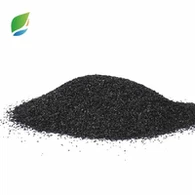
Granular activated carbon, often abbreviated as GAC, is a high-purity carbon characterized by a large surface area that can be used in many liquid and gas phase purification applications. Particles typically range in size from around 0.2 mm to 5 mm, and the choice of "mesh size" depends on the desired end use of the material. Particles smaller than 0.2 mm are generally classified as powdered activated carbon (or PAC).
Advantages of Pellet Activated Carbon
High Mechanical Strength
The long and slender shape of columnar charcoal enables effective mutual support between particles. This structure helps distribute loads under external forces and pressure, enhancing overall mechanical strength.
Low Wear Rate
Columnar charcoal typically has a smaller surface area, resulting in less friction between particles. This contributes to the reduction of particle wear and weathering.
High Adsorption Capacity
Activated carbon pellets possess a high specific surface area and porosity, enabling them to adsorb a significant amount of harmful substances, such as organic compounds and heavy metals in water, as well as volatile organic compounds and smoke in the air.
Environmental Friendliness and Sustainability
Compared to powdered carbon, extruded activated carbon operations are cleaner and more efficient. The adsorption performance of columnar activated carbon can be regenerated through high-temperature steam or chemical agents, reducing operational costs.

Coal based activated carbon with high quality anthracite as raw material, activation and the use of advanced technology refined processing carbide, coal activated carbon pellets has a reasonable pore structure, developed pore structure, large surface area, light weight, strong adsorption capacity, good abrasion resistance, high adsorption properties, high mechanical strength and long working time.

Coal columnar activated carbon is made from high quality coal, with rich absorption holes, well stability and strength. They, as Chemical Auxiliary Agent, are widely used in gas treatment, sewage treatment, desulfurization and denitration, solvent recovery, nitrogen generation, air separation equipment, paint workshop and other fields.

The advantages of for coating plant, organic solvents,volatile gas masks toxic gas purification, gas processing , industrial and domestic water purification, solvent recovery and so on.

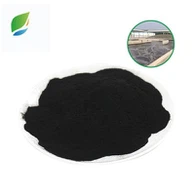
Coal activated carbon powder is made from high quality coal, with rich absorption holes, well stability and strength. They, as Chemical Auxiliary Agent, are widely used in gas treatment, sewage treatment, desulfurization and denitration, solvent recovery, nitrogen generation, air separation equipment, paint workshop and other fields.

Activated Charcoal Pellets For Odor Control
It is widely used in gas treatment, sewage treatment, desulfurization and denitration, solvent recovery, nitrogen generation, air separation equipment, paint workshop and other fields.
Active Carbon Production From Coal
Granular coal activated carbon produced by high quality anthracite. This product widely used water treatment and waste air purification, This product has all the functions of other activated carbons. In addition, there are many other advantages

Charcoal Powder For Water Purification
Coal activated carbon powder is made from high quality coal, with rich absorption holes, well stability and strength. They, as Chemical Auxiliary Agent, are widely used in gas treatment, sewage treatment, desulfurization and denitration, solvent recovery, nitrogen generation, air separation equipment, paint workshop and other fields.

Coal columnar activated carbon is made from high quality coal, with rich absorption holes, well stability and strength. They, as Chemical Auxiliary Agent, are widely used in gas treatment, sewage treatment, desulfurization and denitration, solvent recovery, nitrogen generation, air separation equipment, paint workshop and other fields.
Coal Based Granular Activated Carbon
Efficient adsorption
Strong decolorization ability
Pore developed
Large specific surface area
Why Choose Us
Customer Service
We firmly believe that we offer THE BEST customer support in the industry and it is our ongoing goal to continually improve on our services. As an independently owned and operated business, we are able to provide the most accommodating service possible.
Professional team
We have a team of skilled and experienced professionals who are well-versed in the latest technology and industry standards. Our team is dedicated to ensuring that our customers get the best service and support possible.
Competitive prices
We offer our products at competitive prices, making them affordable for our customers. We believe that high-quality products should not come at a premium, and we strive to make our products accessible to all.
Rich experience
Has a long-standing reputation in the industry, which makes it stand out from its competitors. With over many years of experience, they have developed the skills necessary to meet their clients' needs.
Efficient and convenient
The company has established marketing networks around the world to provide high-quality services to customers in an efficient and convenient manner.
Quality assurance
In terms of quality assurance, the company strictly follows the standards and norms of the industry quality system. Adopt industry-leading testing equipment to ensure product quality and good reputation.
How is Pellet Activated Carbon Manufacturing
Raw Material Grinding
The first step involves grinding the raw material coal to a certain fineness (generally above 95% passing through 180 mesh). Raw materials suitable for production include anthracite, coconut shell powder, wood, etc. The commonly used material is taixi coal from Ningxia.
Binder Formulation
After preparing the raw materials, a certain amount of binder (commonly tar) and water are added. When using the catalytic activation method, a certain amount of catalyst is simultaneously added at a certain temperature for a specified duration. The treated hard coal is mixed with a certain proportion of tar, ensuring uniformity for molding.
Granulation or Molding
Once the added binder and water fully infiltrate, permeate, and disperse evenly with the coal powder, the mixture is pressed into charcoal rods using a molding machine under a specific pressure and with a certain diameter extrusion die. The formed columnar charcoal is then dried under specific conditions to maintain a specific moisture content, usually around 10%, to form a robust charcoal structure.
Carbonization
The dried charcoal is placed in a carbonization furnace, and slowly heated to control the carbonization speed and temperature, reaching the conditions for chemical reactions. This process causes the gradual thermal decomposition and volatilization of organic substances in the charcoal, forming a structure with numerous pores and high carbon concentration.
Activation
After carbonization, the raw material undergoes activation to increase its pore structure and surface area. Activation develops more micropores and mesoporous structures, enhancing the adsorption capacity of activated carbon.
Further Processing (Optional)
Activated carbon pellets may undergo additional treatments such as acid washing or impregnation according to market demands. For example, adding catalysts or special substances to enhance specific application effects. Detailed explanations can be found in this article.
Quality Inspection and PackagingThe produced pelletized activated carbon undergoes quality inspection to ensure compliance with relevant standards and quality requirements. After rigorous inspection, it can be packaged in custom-branded bags or other weight bags for customer use.
How does Granular Activated Carbon Work
The surface of granular activated carbon is made up of microscopic holes and channels, known as pores, only visible under a suitably powerful microscope. It is these pores that result in its huge surface area – the statistic often quoted is that a teaspoon of granular activated carbon has the same surface area as a football pitch!
When a contaminated fluid passes through a filtration device containing granular activated carbon, the impurities are trapped within these pores in a process called adsorption, allowing the purified fluid to pass through. Typical applications for granular activated carbon include the removal of taste, odour and colour from drinking water, as well as traces of other dissolved contaminants such as pesticides and herbicides.
One of the key advantages with using granular activated carbon for fluid purification, rather than powder activated carbon, is that granular activated carbon can be recycled for reuse via a process called thermal reactivation. Carbon that is spent, ie the pores are filled with contaminants so that the treatment objective is no longer being achieved, can be passed through a high temperature kiln. The contaminant molecules are forced out of the pores and destroyed, leaving a reactivated granular activated carbon ready to be used again and again in the customer's process.
Types of Activated Carbon
Granulated Activated Carbon
Granulated activated carbon has a smaller external surface than powdered activated carbon as a result of its slightly larger particle size. This type is mostly utilized in general deodorization, air treatment, and water treatment.
Pelletized Activated Carbon
This is powdered activated carbon that has been mixed with a binder and formed into pellets. The pellets are typically employed in gas phase applications because they have a low dust content, good mechanical strength, and a low-pressure drop.
Powdered Activated Carbon
This is a fine form of activated carbon, and it is typically added directly to process units like raw water intakes, gravity filters, and clarifiers. Due to the probable head loss that might happen, it is rarely utilized in a dedicated vessel.
Impregnated Activated Carbon
This form of activated carbon is infused with inorganic impregnates like silver and iodine. The biggest application for impregnated activated carbon is in the purification of domestic potable water.
Catalytic Activated Carbon
This fifth type of activated carbon is also called surface-modified activated carbon. In addition to being adsorptive, it may also initiate and enhance chemical processes, which makes it useful for removing contaminants from drinking water.
Removal of Contaminants:As mentioned, activated charcoal attracts and retains contaminants. This adsorptive nature makes it possible for it to effectively remove a large number of contaminants of different types and sizes from the water.
Taste and Odor Control:When the right type of activated charcoal is put to use, it's possible to improve the taste of water to a noticeable degree. Odors are also effectively controlled by using activated carbon.
Absorbs many components:The reason why activated carbon is popular in water purification is because of its ability to absorb not just one or two, but many components. This makes it effective and affordable to use, qualities that any water purification plant would be interested in for the sake of its overheads and the quality of production.
Reliable and efficient:Activated carbon is incredibly reliable and efficient. As long as all relevant aspects are taken into consideration, there is very little danger of failure when the appropriate form is utilized. It is a tried and tested solution that has improved over time to become the standard method in the water purification sector.
Water treatment
Pelletized activated carbon is often used in water purification systems. It is used to remove unwanted compounds such as organic pollutants, bad taste, and odour from water. Pelletized activated carbon adsorbs the pollutants in the water and enables it to be purified. It also improves the colour, smell, and taste of the water.
Ventilation and air conditioning systems
Pelletized activated carbon is used effectively in air filters and ventilation systems. It is used to remove bad odours, chemicals, and harmful gases from the air. This ensures clean and healthy air indoors.
Solvent recovery
Pelletized activated carbon is used to recover solvents used in chemical processes. Solvents commonly used in the chemical industry can be recycled after the production process. Pelletized activated carbon adsorbs solvents, separates them, and makes them reusable.
Gas purification
Pelletized activated carbon is used in gas purification. It plays an effective role in the removal of harmful gases produced during industrial processes. Pelletized activated carbon ensures clean air emissions by adsorbing pollutants in gases.
Chemical processes
Pelletized activated carbon is used in various chemical processes. It is used, for example, to remove unwanted by-products from chemical reactions and for the adsorption and purification of pollutants in the solid or liquid phase. Pelletized activated carbon can be used effectively in the chemical industry.
Pharmaceutical Industry
Pelletized activated carbon is a material used in the pharmaceutical industry. It is used in pharmaceutical production processes for the purification of raw materials, the removal of undesirable compounds, and the adsorption of various chemicals. Pelletized activated carbon plays an important role in improving the quality of drugs and reducing unwanted side effects.
Food and Beverage Industry
Pelletized activated carbon is also used in the food and beverage industry. It is used in food production for purposes such as removing undesirable odours and tastes, adsorption of coloured components, and removal of chemical residues. It can also be used to clarify beverages and purify sweeteners.
Air Purification
Pelletized activated carbon is used effectively in air purification applications. It is used in air filtration systems to remove harmful gases, chemical odours, and particulate matter. In this way, clean and healthy air quality is achieved indoors.
Solvent Gas Purification
Pelletized activated carbon is also used in the purification processes of solvent gases. This application ensures the purification of solvent gases before combustion and the removal of harmful components. Pelletized activated carbon adsorbs pollutants by contacting solvent gases, and a clean gas flow is obtained.
Global Pelletized Activated Carbon Market: Growth Drivers
A variety of pollutants, such as odors, heavy metals such as mercury, and volatile organic compounds, can be successfully adsorbed by activated carbon. Heavy metal mercury is a poisonous substance that endangers both the environment and human health. Activated carbon that has been pelletized is specially designed to remove mercury as effectively as possible. These pellets are carefully produced with a high surface area and regulated pore structure in order to maximize the amount of mercury that can be absorbed from flue gases or other emission streams. Increased demand for pelletized activated carbon for mercury removal is anticipated to boost market development.
Globally, governments and environmental organizations have put strict controls on manufacturing and industrial activities in an effort to reduce pollution and save the environment. It is necessary to develop efficient air and water filtration systems in order to reduce the number of pollutants that are released into the environment and waterways due to these restrictions. This has led to the increasing demand for pelletized activated carbon.
What Will Activated Carbon Remove
Organic chemicals are attracted to carbon the best. Very few inorganic chemicals will be removed by carbon. The molecular weight, polarity, solubility in water, temperature of the fluid stream and concentration in the stream are all factors that affect the capacity of the carbon for the material to be removed. VOCs such as Benzene, Toluene, Xylene, oils and some chlorinated compounds are common target chemicals removed through use of carbon. Other large uses for activated carbon are the removal of odors and color contamination.
Are Activated Carbon Pellets the Same as Activated Charcoal
Activated carbon pellets and activated charcoal are often used interchangeably as they serve similar purposes. Both are forms of activated carbon with highly porous structures used for adsorption and purification. However, their physical forms may differ. Activated charcoal might be in the form of powder, while activated carbon pellets are in granular or pellet form. Despite the difference in appearance, they share similar properties and are utilized for various filtration and purification applications.
The production of activated carbon granules involves several key steps. First, the carbonaceous material is carbonized at high temperatures in the absence of oxygen, removing the volatile compounds and leaving behind a carbon-rich material. The carbonized material then undergoes an activation process. Activation is achieved by exposing the carbonized material to high temperatures (800-1000°C or 1472-1832°F) and an activating agent such as steam or carbon dioxide. This process creates a vast network of pores that enhance the material's surface area and adsorption capacity. The active material is then processed into pellets or granules to form activated carbon pellets.
Our Factory
Hongsen company, founded in 2000, is a professional manufacturer of activated carbon in Shijiazhuang City, Hebei Province, and currently produces various multi-purpose series of activated carbon. The company has passed ISO9001:2008 quality management system. The company researches and develops various series of activated carbon, forming a vertically integrated business structure from raw material collection and processing to product terminal sales.

Certifications

FAQ
Hot Tags: pellet activated carbon, China pellet activated carbon manufacturers, suppliers, Coal Activated Carbon, decontamination activated charcoal, Industrial Activated Carbon, Wood Activated Carbon, Coal Based Granular Activated Carbon, Activated Carbon