Your Leading Shijiazhuang Hongsen Activated Carbon Co., Ltd. Supplier
Hongsen Company, established in the year 2000, stands as a preeminent manufacturer of activated carbon in Shijiazhuang City, nestled within the vibrant province of Hebei. Today, it boasts a comprehensive portfolio of versatile and multi-purpose activated carbon series, catering to a diverse range of industries and applications.
Adhering to the highest standards of quality, Hongsen has successfully attained the prestigious ISO9001:2008 quality management system certification, underscoring its commitment to excellence in every aspect of production and service. This accolade is a testament to the company's relentless pursuit of innovation and customer satisfaction.
At the core of Hongsen's operations lies a vertically integrated business model that spans from the meticulous sourcing and processing of raw materials to the seamless distribution and sale of finished products. This end-to-end approach ensures not only consistency in quality but also agility in response to market demands.
The company's research and development (R&D) team relentlessly explores new frontiers in activated carbon technology, constantly pushing the boundaries of performance and versatility. Their efforts have resulted in a diverse array of activated carbon products tailored to meet specific needs across industries, from water purification and air filtration to environmental remediation and industrial processes.
With a steadfast focus on sustainability and environmental responsibility, Hongsen Company continues to grow and evolve, staying at the forefront of the activated carbon industry. Its commitment to innovation, quality, and customer service makes it a trusted partner for businesses worldwide seeking efficient and effective solutions for their activated carbon requirements.
Why Choose Us?
High quality
Our products are manufactured or executed to very high standards, using the finest materials and manufacturing processes.
Competitive Price
We offering a higher-quality product or service at an equivalent price. As a result we have a growing and loyal customer base.
Rich experience
Our company has many years of production work experience. The concept of customer-oriented and win-win cooperation makes the company more mature and stronger.
Global shipping
Our products support global shipping and the logistics system is complete, so our customers are all over the world.
After-sale service
Professional and thoughtful after -sales team, let you worry about us after -sales Intimate service, strong after -sales team support.
Advanced equipment
A machine, tool or instrument designed with advanced technology and functionality to perform highly specific tasks with greater precision, efficiency and reliability.
Related Product

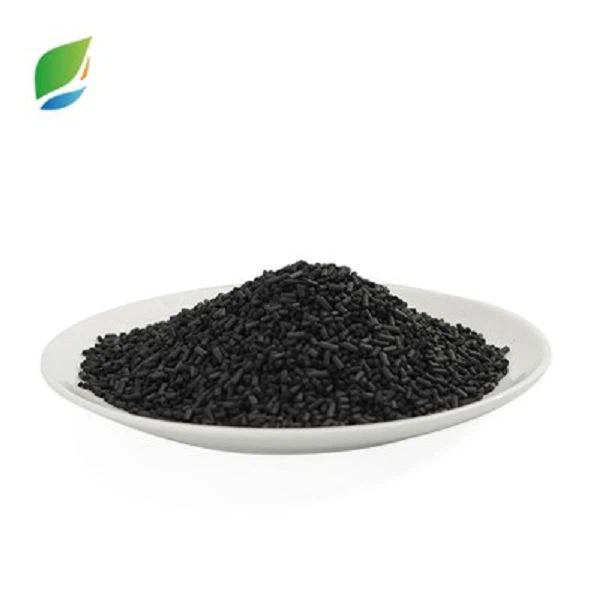
Coal based activated carbon with high quality anthracite as raw material, activation and the use of advanced technology refined processing carbide, coal activated carbon pellets has a reasonable pore structure, developed pore structure, large surface area, light weight, strong adsorption capacity, good abrasion resistance, high adsorption properties, high mechanical strength and long working time.

Coal columnar activated carbon is made from high quality coal, with rich absorption holes, well stability and strength. They, as Chemical Auxiliary Agent, are widely used in gas treatment, sewage treatment, desulfurization and denitration, solvent recovery, nitrogen generation, air separation equipment, paint workshop and other fields.

Coal columnar activated carbon is made from high quality coal, with rich absorption holes, well stability and strength. They, as Chemical Auxiliary Agent, are widely used in gas treatment, sewage treatment, desulfurization and denitration, solvent recovery, nitrogen generation, air separation equipment, paint workshop and other fields.

Charcoal Powder For Water Purification
Coal activated carbon powder is made from high quality coal, with rich absorption holes, well stability and strength. They, as Chemical Auxiliary Agent, are widely used in gas treatment, sewage treatment, desulfurization and denitration, solvent recovery, nitrogen generation, air separation equipment, paint workshop and other fields.

Coal Based Granular Activated Carbon
Efficient adsorption.
Strong decolorization ability.
Pore developed.
Large specific surface area.

Active Carbon Production From Coal
Granular coal activated carbon produced by high quality anthracite. This product widely used water treatment and waste air purification, This product has all the functions of other activated carbons.

Coal activated carbon powder is made from high quality coal, with rich absorption holes, well stability and strength. They, as Chemical Auxiliary Agent, are widely used in gas treatment, sewage treatment, desulfurization and denitration, solvent recovery, nitrogen generation, air separation equipment, paint workshop and other fields.

Activated Charcoal Pellets For Odor Control
It is widely used in gas treatment, sewage treatment, desulfurization and denitration, solvent recovery, nitrogen generation, air separation equipment, paint workshop and other fields.
What is Activated Carbon Powder?
Activated charcoal powder is the powdered form of porous charcoal that has been processed with oxygen at extremely high temperatures. Activated charcoal powder or the black, odorless, and flavorless powder has been used to cure various diseases since ancient times. It's now most typically used in medical settings to treat drug overdoses or as an anti-poison emergency treatment. Other advantages of activated charcoal include reducing gas and flatulence, decreased cholesterol levels, and enhanced renal function.
Benefits of Activated Carbon Powder
Benefits of activated charcoal powder for the skin
Activated charcoal is a plant ingredient that is increasingly present in skin care products. Present in many masks and soaps, it brings several benefits to the epidermis.
Activated charcoal to absorb excess sebum
An accumulation of sebum can clog pores, leading to the formation of imperfections such as blackheads and blackheads. By absorbing excess sebum, activated charcoal prevents the appearance of pimples and mattifies oily skin. It brings to the skin a blow of brightness and unifies the complexion.
Activated charcoal to eliminate impurities
Activated charcoal is capable of absorbing toxins and impurities present on the skin's surface. Thus, it is particularly interesting to use a product based on activated charcoal if you live in a polluted environment, to purify and detoxify the skin.
Activated charcoal to gently exfoliate the skin
Activated charcoal has a granular but soft texture that allows for a light mechanical peeling of the skin. It eliminates the dead cells on the surface of the epidermis and stimulates cell renewal.
Benefits of activated charcoal powder for the hair
Hair easily absorbs toxins from pollution, tobacco, etc. Used in the conception of shampoo, charcoal will clean and purify the scalp as well as the hair fiber. It will rid the hair of absorbed toxins and dandruff. Just like on oily skin, charcoal works in the same way to limit the production of sebum on the scalp.
Application of Activated Carbon Powder
Water filtration
Removes impurities, odors, and contaminants from drinking water, enhancing its quality and taste.
Personal care & cosmetics
Facial Masks and Cleansers: Used in skincare products, activated carbon helps draw out impurities, unclog pores, and detoxify the skin for a clearer complexion.
Gas and vapor treatment
Activated carbon is employed in gas masks and respirators to provide protection against toxic gases and vapors. It adsorbs and traps harmful chemicals, preventing them from being inhaled.
Food and beverage industry
Activated carbon is utilized in the food and beverage industry for decolorization, deodorization, and purification purposes. It is commonly used in the production of sugar, edible oils, alcoholic beverages, and water filtration systems.
Air filtration
Activated carbon is utilized in air filters and purifiers to remove volatile organic compounds, odors, and harmful gases from indoor air. It is commonly used in industrial settings, vehicles, and home air purifiers.
Chemical and pharmaceutical industries
Activated carbon plays a crucial role in various chemical and pharmaceutical processes. It is used for decolorization, purification, and removal of impurities from chemicals, solvents, and pharmaceutical intermediates.
The production of activated carbon powder entails two primary methodologies: physical activation and chemical activation. Physical activation commences with the carbonization of the raw material, followed by subjecting it to high temperatures and steam. Conversely, chemical activation necessitates the utilization of substances such as phosphoric acid or zinc chloride to activate the carbonaceous material. These techniques generate activated carbon powder imbued with distinct characteristics tailored to specific applications.
How to Maintain Activated Carbon Powder
Protective equipment
When working with activated carbon powder, it is advisable to don appropriate personal protective equipment, including gloves, goggles, and masks. This ensures protection against inhalation or physical contact with the powder, thereby prioritizing safety.
Storage and disposal
Activated carbon powder necessitates storage in a dry environment, shielded from moisture and direct sunlight. Proper labeling and segregation of different grades or types of activated carbon powder are essential to prevent cross-contamination. Disposal should adhere to local regulations and guidelines.
To ensure optimal performance, follow these simple steps when using Activated Carbon Powder:
Determine the required amount of Activated Carbon Powder based on the specific application and volume to be treated.
Mix the powder with water or any other suitable liquid medium to create a slurry.
Apply the slurry to the desired area or process, ensuring thorough and even coverage.
Allow the Activated Carbon Powder to work its magic, adsorbing impurities and contaminants from the targeted medium.
Once the purification process is complete, carefully remove and dispose of the spent Activated Carbon Powder, following local regulations and guidelines.
A Brief History of the Use of Carbon
The origin of the use of coal is common since ancient times
Charcoal is in antiquity in India by Hindus to filter drinking water.
Charred wood was used as a medical adsorbent and purification agent by the Egyptians as early as 1500 BC.
Powdered activated carbon was common as a commercial product in Europe until the 19th century, using wood as a raw material. This coal has found widespread use in the sugar industry.
In the United States, the first production of activated carbon used as source black ash, after an accidental discovery that it is very effective for bleaching liquids. Since then activated carbon comes in handy extensively for this purpose in many industries. Specifically, it is common for the removal of organic dyes from textile wastewater.
Documented use of activated carbon powder in a treatment application of the large-scale waters dates back to the 19th century (in England), where it has been used to remove undesirable odors and the taste.
Activated carbon on an industrial scale only in the first mid-twentieth century from plant matter for use in sugar refining.
Activated carbon powder is now common for a variety of purposes, including refining cane and corn sugar, gas adsorption, removal of pharmaceutical, grease, and oil scrubbing recovery products a dry, etc.
Activated carbon, or activated charcoal, is a highly porous carbon form created by heating carbon-rich materials like wood, peat, coconut shells, or sawdust in the presence of gas (usually steam or air). This process purges impurities and generates a porous structure with a vast surface area, endowing activated carbon with exceptional adsorption qualities. Adsorption involves molecules or atoms adhering to a solid or liquid surface, occurring primarily through physical and chemical adsorption in activated carbon.
Physical adsorption (physisorption)
Weak, non-covalent interactions between molecules and the adsorbent's surface, known as van der Waals forces, drive this primary adsorption mechanism. The extensive surface area and porous structure of activated carbon render it highly effective for physical adsorption, attracting and holding molecules without forming strong chemical bonds.
Chemical adsorption (chemisorption)
This adsorption type involves chemical bond formation between the adsorbate and activated carbon surface. Although less common than physical adsorption, chemisorption can occur when activated carbon is modified or treated with functional groups (e.g., carboxylic acids or hydroxyl groups), enabling specific molecular adsorption through chemical reactions instead of van der Waals forces.
Pore structure and surface area
The efficacy of activated carbon in adsorption heavily relies on its pore structure and surface area. Pore structure comprises micropores (smaller than 2 nm), mesopores (2-50 nm), and macropores (larger than 50 nm). A high proportion of micropores in activated carbon contributes significantly to its surface area and adsorption capacity. A larger surface area allows for more molecules to be adsorbed onto the activated carbon.
The adsorption capacity of activated carbon can be influenced by several factors, such as
• Temperature: Lower temperatures generally enhance adsorption, as adsorbate molecules have reduced kinetic energy, increasing their likelihood of adhering to the activated carbon surface.
• PH: Solution pH can affect adsorption. Acidic conditions can promote heavy metal adsorption, while basic conditions can favor organic compound adsorption.
• Adsorbate concentration: The solution's adsorbate concentration can influence activated carbon's adsorption capacity. Greater adsorbate concentrations often result in higher adsorption.
• Particle size: Smaller activated carbon particles tend to have a higher adsorption capacity due to their increased surface area per unit mass.
• Activated carbon type and structure: Specific properties of activated carbon, such as pore size distribution, surface chemistry, and activation degree, can also affect its adsorption capacity. Different activated carbons are better suited to adsorbing specific contaminants.
Our Factory
Hongsen company, founded in 2000, is a professional manufacturer of activated carbon in Shijiazhuang City, Hebei Province, and currently produces various multi-purpose series of activated carbon. The company has passed ISO9001:2008 quality management system. The company researches and develops various series of activated carbon, forming a vertically integrated business structure from raw material collection and processing to product terminal sales.


Our Certificate


FAQ
Hot Tags: activated carbon powder, China activated carbon powder manufacturers, suppliers, Coal Powder Activated Carbon, activated charcoal smell remover, Granular Activated Carbon Coconut Shell, Activated Carbon Charcoal Pellets, activated charcoal for water filtration, Activated Charcoal Pharma