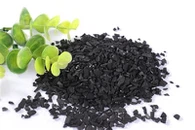
What is Coconut Shell Charcoal Activated Carbon
Coconut shell activated carbon is one major type of activated carbons that exhibits a high degree of micropores, which makes it especially suitable for water filtration applications. Coconut shell activated carbon is sourced from coconut trees which can live in excess of 70 years, therefore it can be considered a renewable resource. This type of activated carbons have high hardness and filtration performance characteristics making them a perfect choice for most treatment applications.
Advantages of Coconut Shell Charcoal Activated Carbon
Water and gas purification
Activated carbon derived from coconut shells is highly effective in purifying water. Its porous structure allows it to efficiently adsorb and remove odors, colors, and other water contaminants or organic compounds from gases.
Digestive health
Consuming activated charcoal made from coconut shells may support digestive health by helping to relieve gas, bloating, and indigestion. It works by adsorbing toxins in the digestive tract, promoting overall intestinal health.
Environmental sustainability
Using activated charcoal made from coconut shells is an environmentally friendly option. Coconut shells, which would otherwise be considered waste, are repurposed to create a valuable product, reducing environmental impact.

Gold Extraction Activated Charcoal
Coconut shell activated carbon produced by high quality coconut shell. This product widely used for pure water factory,waste gas purification.In addition, coconut shell activated carbon also has some special functions. Such as golden refining, water purifier filter, face mask,removing methane, chlorine, ammonia, nitrogen, benzene, formaldehyde, SO2 and CO.

Activated Coconut Shell Charcoal
Coconut shell activated carbon is a new type of activated carbon made from coir shell, activated by high temperature, carbonization, and loaded with photocatalyst and carbon fiber. It is widely used in water purification and gold extraction.

Activated Carbon For Gold Recovery
Coconut shell activated carbon is a new type of activated carbon made from coir shell, activated by high temperature, carbonization, and loaded with photocatalyst and carbon fiber. It is widely used in water purification and gold extraction.

Granular Activated Carbon Coconut Shell
Coconut shell activated carbon is a new type of activated carbon made from coir shell, activated by high temperature, carbonization, and loaded with photocatalyst and carbon fiber. It is widely used in water purification and gold extraction.

Coconut Shell Charcoal Activated Carbon
High rates of gold loading and elution
Low/zero platelet concentrations
Good resistance to mechanical attrition
Why Choose Us
Customer Service
We firmly believe that we offer THE BEST customer support in the industry and it is our ongoing goal to continually improve on our services. As an independently owned and operated business, we are able to provide the most accommodating service possible.
Professional team
We have a team of skilled and experienced professionals who are well-versed in the latest technology and industry standards. Our team is dedicated to ensuring that our customers get the best service and support possible.
Competitive prices
We offer our products at competitive prices, making them affordable for our customers. We believe that high-quality products should not come at a premium, and we strive to make our products accessible to all.
Rich experience
Has a long-standing reputation in the industry, which makes it stand out from its competitors. With over many years of experience, they have developed the skills necessary to meet their clients' needs.
Efficient and convenient
The company has established marketing networks around the world to provide high-quality services to customers in an efficient and convenient manner.
Quality assurance
In terms of quality assurance, the company strictly follows the standards and norms of the industry quality system. Adopt industry-leading testing equipment to ensure product quality and good reputation.
What Is the Difference Between Coconut Shell Charcoal and Activated Carbon
Production Process
Coconut Shell Charcoal: Coconut shell charcoal is produced by burning coconut shells in a low oxygen environment, such as a kiln or a charcoal pit. The process removes volatile compounds and leaves behind carbonized coconut shell.Activated Carbon: Activated carbon is derived from coconut shell charcoal or other carbonaceous materials. It undergoes an additional activation process to create a highly porous structure. Activation methods include physical activation (e.g., steam activation) or chemical activation (e.g., using chemicals like phosphoric acid or zinc chloride).
Porosity and Surface Area
Coconut Shell Charcoal: Coconut shell charcoal has a moderate level of porosity and surface area, which is primarily determined by the carbonization process. It retains some internal pores but not as many as activated carbon.Activated Carbon: Activated carbon has a significantly higher level of porosity and surface area due to the activation process. It contains a vast network of small pores, including micropores, mesopores, and sometimes macropores. This high porosity results in a large surface area available for adsorption.
Adsorption Capacity
Coconut Shell Charcoal: Coconut shell charcoal has some adsorption capacity due to its natural porosity, but it is relatively lower compared to activated carbon. It can adsorb certain impurities, odors, or contaminants to some extent.Activated Carbon: Activated carbon has excellent adsorption capacity due to its highly porous structure. It can adsorb a wide range of substances, including gases, liquids, and dissolved contaminants. Activated carbon is commonly used for purification, filtration, and adsorption applications.
Activated carbon from coconut shell has predominantly pores in micro pore range. Almost 85-90% surface area of coconut shell activated carbon exists as micro-pores. These small pores match the size of contaminant molecules in drinking water and therefore are very effective in trapping them.
Peat and wood activated carbon has mostly meso and macro-pores which suit trapping of bigger molecules. The pore structure of coal carbons falls between coconut shell and wood based carbons.
Macro-pores are considered as an access point to micro-pores. Meso-pores do not usually play an important role in the adsorption unless the surface area of these pores is large, 400 m2/g or more.
The predominance of micro-pores in coconut shell carbon gives it tight structure and provides good mechanical strength and hardness and also high resistance to resist attrition or wearing away by friction.
How a Coconut Becomes Activated Carbon
Turn coconut into charcoal
Another term for activated carbon is activated carbon. Both terms refer to charcoal material that has been reheated and oxidized ("activated") to increase its porosity. Therefore, one of the necessary steps to turn coconut into activated charcoal is to turn coconut into charcoal. How do i do this?
There is heat. Lots and lots of heat.
But just throwing coconuts into the fire is not enough. Before heating the coconut, you must empty the coconut milk, scrape off the pulp, and make sure the shell is clean and dry. The fibers on the outside of the coconut also need to be removed.
Carbonization
Once the casing is clean and dry, there are several ways to turn this hard, woody material into charcoal. The process of turning coconut shells into charcoal is also called charring or pyrolysis. Essentially, coconut shells need to be subjected to very high temperatures (300 to 500 degrees Celsius) for several hours to break down into charcoal. The container in which this process occurs may vary.
One of the most popular methods of coconut charcoal production is in a drum kiln, a covered tank with a small chimney that creates a higher internal temperature by restricting the flow of oxygen. The bottom layer of coconut shells in the kiln is first carbonized, causing the coal at the bottom to glow orange. The stage from initial heating to orange light usually takes about 12 hours.
Reconciliation
Once this happens, the air flow to the bottom layer of the drum is cut off and the coal begins to cool – a stage called the "stabilization phase." This is important because if the charcoal burns for too long, it will turn to ash. The shells need to be caught at the right time during the carbonization process, not before or after.
What remains after the carbonization process is coconut charcoal, also known as coconut charcoal. The next step is to activate the coconut carbon so that it can act as a filter.
Steam activated
The main purpose of activation is to increase the pore size of the carbon so that it can capture more particles and contaminants. Coconut charcoal can be activated by soaking it with chemicals such as phosphoric acid, but there is also a steam activation method.
In the steam method, an inert gas is heated to about 800-1100 degrees Celsius in a rotary kiln, creating steam that dehydrates the charcoal and reduces its VOC content. This temperature is ideal - much higher, the charcoal begins to burn, leaving the manufacturer with less finished product. The temperature is much lower and the process takes too long.
As coconut charcoal steams, its pores expand until they are the perfect size to trap small molecules in the water. Once the pores are the correct size, you're left with activated coconut charcoal. Finally, the activated carbon is crushed, classified and sorted into different mesh sizes.
What Are the Uses of Coconut Activated Carbon
Precious Metal Recovery
Due to its high wear resistance and excellent chemical and physical properties, coconut shell charcoal is essential for applications such as the recovery of gold and other precious metals.
It serves as an adsorbent in metal smelting and extraction processes, assisting in the removal of metal ions.
Drinking Water
Coconut shell activated carbon is widely used in water treatment to eliminate color, odors, taste, organic compounds, heavy metals, and other pollutants in drinking water.
With its pore structure predominantly composed of micropores (over 80%), coconut based activated carbon efficiently adsorbs impurities with a microporous molecular structure.
Removal of Organic Impurities in the Food and Beverage Industry
Coconut shell activated carbon is employed as a decolorizing agent in the food and beverage industry to remove color, odors, and undesirable tastes.
Catalyst Support
Due to its superior chemical and physical characteristics, coconut shell charcoal, as a solid material with high surface area and chemical stability, is commonly used as a support for catalysts.
Medical Devices
In the field of medical devices, the high adsorption capacity of coconut shell charcoal is utilized to adsorb toxins, alleviating symptoms.
Wastewater Treatment
Coconut shell charcoal finds extensive use in wastewater treatment, primarily through adsorption and physicochemical processes to remove organic matters, heavy metals, decolorization, deodorization, pH adjustment, and microbial inhibition.
Activated carbon based on coconut shells is widely used for water purification. Its uses include removing taste and color from drinking water, as well as clarifying in the treatment of waters for industrial processes.
Activated carbon derived from coconut shells is an excellent adsorbent because it has a large surface area (240-280 m2/g), great hardness, good mechanical strength, and low dust content.
Activated carbon based on coconut shells is an excellent adsorbent because it has a large surface area, high hardness, and good mechanical resistance to water pressure in tanks and low dust content compared to other softer materials.

Coconut Shell Charcoal Activated Carbon Challenges and Considerations
Sourcing Sustainable Coconut Shells
As demand for coconut shell charcoal increases, ensuring a sustainable supply of coconut shells becomes crucial. It is essential to establish responsible sourcing practices, promote reforestation efforts, and collaborate with coconut farmers to ensure the long-term availability of this resource.
Quality Control and Standardization
Maintaining consistent quality and standardization in coconut shell charcoal production is vital. Proper quality control measures should be implemented throughout the production process to ensure the charcoal's effectiveness and reliability in various applications. Standardization can help meet industry requirements and enhance consumer confidence.
Market Demand and Competition
The market for coconut shell charcoal is competitive, with various other types of charcoal and alternative products available. Understanding market trends, consumer preferences, and finding niche applications can contribute to successfully positioning coconut shell charcoal in the marketplace.
Environmental Impact of Production Processes
While coconut shell charcoal is environmentally friendly compared to other types of charcoal, it is essential to minimize the environmental impact associated with its production. Adopting energy-efficient carbonization and activation methods, as well as proper waste management practices, can help reduce the ecological footprint of the industry.
The use of activated carbon from natural material such as coconut shell charcoal as metal absorbance of the wastewater is a new trend. The activation of coconut shell charcoal carbon by using chemical-physical activation has been investigated. Coconut shell was pyrolized in kiln at temperature about 75 - 150 °C for about 6 hours in producing charcoal. The charcoal as the sample was shieved into milimeter sized granule particle and chemically activated by immersing in various concentration of HCl, H3PO4, KOH and NaOH solutions. The samples then was physically activated using horizontal furnace at 400°C for 1 hours in argon gas environment with flow rate of 200 kg/m3. The surface morphology and carbon content of activated carbon were characterized by using SEM/EDS. The result shows that the pores of activated carbon are openned wider as the chemical activator concentration is increased due to an excessive chemical attack. However, the pores tend to be closed as further increasing in chemical activator concentration due to carbon collapsing.
How Can Powdered Activated Charcoal Be Made from Coconut Shell Ash
Collect and prepare clean coconut shells.
Carbonize the coconut shells by heating them in a kiln or metal container at temperatures between 600°C to 900°C (1112°F to 1652°F) to remove volatile compounds.
Crush the carbonized shells into small pieces or powder.
Activate the carbonized material by exposing it to steam or chemicals like potassium hydroxide (KOH) or phosphoric acid (H3PO4) to create pores and increase surface area.
Wash the activated charcoal to remove impurities or activating agents.
Dry the washed charcoal.
Grind the dried activated charcoal into a fine powder and optionally sieve or screen for desired particle size.
Package the powdered activated charcoal in airtight containers for storage or use.
Our Factory
Hongsen company, founded in 2000, is a professional manufacturer of activated carbon in Shijiazhuang City, Hebei Province, and currently produces various multi-purpose series of activated carbon. The company has passed ISO9001:2008 quality management system. The company researches and develops various series of activated carbon, forming a vertically integrated business structure from raw material collection and processing to product terminal sales.

Certifications

FAQ
Hot Tags: coconut shell charcoal activated carbon, China coconut shell charcoal activated carbon manufacturers, suppliers, activated carbon foam, Coal Based Activated Carbon, decontamination activated charcoal, activated carbon plant, Gold Extraction Activated Charcoal, Pellet Activated Carbon