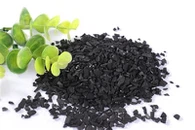
Your Leading Shijiazhuang Hongsen Activated Carbon Co., Ltd. Supplier
Hongsen company, founded in 2000, is a professional manufacturer of activated carbon in Shijiazhuang City, Hebei Province, and currently produces various multi-purpose series of activated carbon. The company has passed ISO9001:2008 quality management system. The company researches and develops various series of activated carbon, forming a vertically integrated business structure from raw material collection and processing to product terminal sales.
Why Choose Us?
High quality
Our products are manufactured or executed to very high standards, using the finest materials and manufacturing processes.
Competitive Price
We offering a higher-quality product or service at an equivalent price. As a result we have a growing and loyal customer base.
Rich experience
Our company has many years of production work experience. The concept of customer-oriented and win-win cooperation makes the company more mature and stronger.
Global shipping
Our products support global shipping and the logistics system is complete, so our customers are all over the world.
After-sale service
Professional and thoughtful after -sales team, let you worry about us after -sales Intimate service, strong after -sales team support.
Advanced equipment
A machine, tool or instrument designed with advanced technology and functionality to perform highly specific tasks with greater precision, efficiency and reliability.
Related Product

Gold Extraction Activated Charcoal
Coconut shell activated carbon produced by high quality coconut shell. This product widely used for pure water factory,waste gas purification.In addition, coconut shell activated carbon also has some special functions. Such as golden refining, water purifier filter, face mask,removing methane, chlorine, ammonia, nitrogen, benzene, formaldehyde, SO2 and CO.

Coconut Shell Charcoal Activated Carbon
Coconut 6×12, 8×16 etc are granular activated carbon. The very large internal surface areas characterized by microporosity along with high hardness and low dust make these coconut shell carbons particularly attractive for Gold Recovery and Gold Refining.

Activated Carbon For Gold Recovery
Coconut shell activated carbon is a new type of activated carbon made from coir shell, activated by high temperature, carbonization, and loaded with photocatalyst and carbon fiber. It is widely used in water purification and gold extraction.

Granular Activated Carbon Coconut Shell
Coconut shell activated carbon is a new type of activated carbon made from coir shell, activated by high temperature, carbonization, and loaded with photocatalyst and carbon fiber. It is widely used in water purification and gold extraction.

Activated Coconut Shell Charcoal
Coconut shell activated carbon is a new type of activated carbon made from coir shell, activated by high temperature, carbonization, and loaded with photocatalyst and carbon fiber. It is widely used in water purification and gold extraction.
What is Activated Coconut Shell Charcoal?
Coconut shell activated charcoal is made from coconut husk. It is a vapor-activated material, so it does not contain chemical agents that can contaminate or react with the medium where it is used. They are characterized by having a large amount of micro to mesopores (5nm-50 nm) suitable for the removal of small molecules; contains a neutral PH, can be manufactured in any particle size.
Coconut shell charcoal is super stiff, hard and resistant. Most manufacturers base the quality of activated coconut charcoal on the adsorption capacity that is directly related to the contact area, and they generally perform adsorption tests with an iodine solution.
The key is in the activation process used (by steam or chemical reaction), in addition to the residence time, temperature, pressure, in general, the operating conditions. Therefore, activated coconut shell charcoal can be used in air purification, eliminating odors and a good number of organic gases or solvents. It helps in the purification of natural gas, adsorbing highly toxic hydrogen sulphide.
Benefits of Activated Coconut Shell Charcoal
Natural detoxificant
Coconut shell charcoal helps in detoxification processes. It is used as one of the ingredients in colon cleansing therapies and detoxifying products. It can absorb toxins and eliminate them intestinally so that it will be an essential cleaning system.
Treats poisoning
Activated charcoal is used as an adsorbent agent to treat poisoning and overdose by oral ingestion. Prevents from absorbing poison in the stomach. Coal absorbs the toxins from the stomach and intestine.
Helps reduce cholesterol levels
Activated carbon reduces the levels of cholesterol, lipids and triglycerides in the blood.
Stomach relief
Relieves the stomach by removing excess gas from the digestive tract.
Rejuvenating effect
It is also used to counteract the results of the passage of time in the body since it assists in the processes of the liver, kidneys and adrenal glands avoiding excessive cell aging.
Skin care
Activated coconut charcoal has been lately used in many beauty products. This is because it is effective in eliminating bacteria, chemicals and impurities. It is regulatory sebum and very useful in cases with acne and skin blemishes. But they also use it to control LDL cholesterol, reduce flatulence and promote renal function by reducing the number of waste products that the kidneys must filter.
Like everything, they have their precautions. It should not be taken within two hours after administration of vitamins, medications or supplements, as it will prevent the body from absorbing them.
Application of Activated Coconut Shell Charcoal
In the food industry
Due to its fast burning and food-grade properties, coconut charcoal is widely used in barbecues as an alternative to regular charcoal. The food industry is favoring it due to the pleasant fragrance it emits when preparing traditional foods and barbecues. You can buy activated charcoal made from coconut shells to cook some great meals at home, too.
As teeth whitener
Charcoal has long been used as a remedy for teeth and oral health. Just like charcoal soap, coconut activated charcoal acts as a natural teeth whitener and with amazing results. Those with dark or yellow teeth can use it to brush regularly and get amazing results.

As animal feed
Coconut charcoal is also used as feed for cattle, pigs, and poultry. Some studies have shown that animals fed with coconut charcoal give more milk. Similarly, for pigs and poultry, it is a suitable feed to increase weight and reduce the chances of any disease occurring; this way, it leads to greater meat production.
Turning coconut into charcoal
Another term for activated carbon is activated charcoal. Both of these terms refer to a charcoal material that has been reheated and oxidized ("activated") to increase porousness. So, one of the necessary steps toward turning a coconut into activated carbon is to turn that coconut into charcoal. How does one do that?
With heat. Lots and lots of heat.
But it's not enough to simply throw a coconut into the fire. Before heating the coconut, one must empty the coconut's milk, scrape out the flesh, and ensure that the shell is clean and dry. The exterior part of the coconut will need to be cleaned of fibers, as well.
Charring
Once the shell is cleaned and dried, there are a variety of ways to turn this hard, woody material into charcoal. This process of turning coconut shell into charcoal is also called charring or pyrolysis. Essentially, the coconut shells need to be subjected to very high temperatures (between 300 and 500 degrees Celsius) for several hours in order to break down into charcoal. The vessel in which this process happens may vary.
One of the most popular methods of coconut charcoal production happens in a drum kiln, a lidded tank with a small chimney that creates higher interior temperatures by limiting oxygen flow. The bottom layer of coconut shell in the kiln will carbonize first, resulting in a glowing orange color emanating from the bottom coals. From the initial application of heat to this glowing orange stage often takes around 12 hours.
Pacification
Once this has happened, air flow is cut off to the bottom layer of the drum and the coals start to cool-this stage is called the "pacification phase." This is important because if the charcoal is allowed to burn for too long, it will turn to ash. The shells need to be caught at the appropriate time in the carbonization process-not before and not after.
After the carbonization process, one is left with coconut charcoal, also known as coconut carbon. The next step is activating the coconut carbon in order for it to be effective as a filter.
Steam activation
The primary purpose of activation is to increase the pore size of the carbon so that it can catch more particulates and contaminants. Coconut carbon can be activated by soaking with chemicals like phosphoric acid, but there is also a steam method for activation.
In the steam method, an inert gas is brought to a temperature of about 800-1100 degrees Celsius in a rotary kiln, creating steam which dehydrates the charcoal and reduces the level of VOCs in it. This temperature is ideal-much higher and the charcoal starts to burn, leaving the manufacturer with less of the finished product. Much lower temperatures and the process takes far too long.
While the coconut carbon is steaming, its pores are enlarged until they are the perfect size to catch the small molecules in water. Once the pores have reached the correct size, you are left with activated coconut carbon. Finally, the activated carbon is crushed, graded and sorted into different mesh sizes.

Before we explore how to reactivate carbon, you should know more about what reactivated carbon is. Essentially, reactivated carbon is a more affordable alternative to virgin activated carbon.
Reactivated carbon comes from destroying spent activated carbon, usually through thermal treatment. Reactivating carbon does result in the coconut shell carbon losing some of its adsorption capabilities.
The activation process is simple. First, the spent activated carbon coconut shell is reactivated by heating it to incredibly high temperatures. Heating the spent activated carbon to these temperatures allows the absorbed organics to be released from the pore structure.
After the organics have been removed from the pore structure of the activated carbon, they can be used again.
What Is the Difference Between Coconut Shell Charcoal and Activated Carbon?
Coconut shell charcoal and activated carbon are related materials, but they differ in terms of their production process and properties.
Production process
Coconut Shell Charcoal: Coconut shell charcoal is produced by burning coconut shells in a low oxygen environment, such as a kiln or a charcoal pit. The process removes volatile compounds and leaves behind carbonized coconut shell.Activated Carbon: Activated carbon is derived from coconut shell charcoal or other carbonaceous materials. It undergoes an additional activation process to create a highly porous structure. Activation methods include physical activation (e.g., steam activation) or chemical activation (e.g., using chemicals like phosphoric acid or zinc chloride).
Porosity and surface area
Coconut Shell Charcoal: Coconut shell charcoal has a moderate level of porosity and surface area, which is primarily determined by the carbonization process. It retains some internal pores but not as many as activated carbon.Activated Carbon: Activated carbon has a significantly higher level of porosity and surface area due to the activation process. It contains a vast network of small pores, including micropores, mesopores, and sometimes macropores. This high porosity results in a large surface area available for adsorption.
Adsorption capacity
Coconut Shell Charcoal: Coconut shell charcoal has some adsorption capacity due to its natural porosity, but it is relatively lower compared to activated carbon. It can adsorb certain impurities, odors, or contaminants to some extent.Activated Carbon: Activated carbon has excellent adsorption capacity due to its highly porous structure. It can adsorb a wide range of substances, including gases, liquids, and dissolved contaminants. Activated carbon is commonly used for purification, filtration, and adsorption applications.
To understand how long it takes coconut-shell activated carbon to work, you need to understand a bit more about the filtration process.
There will need to be a carbon block for the filtration process to work. Therefore, a carbon block is classified as the workhorse of filtration technologies because it can perform a more significant range of filtration tasks when compared to other filtration technologies.
A carbon block features a sintered porous structure or filtration housing made for carbon, which acts as the filtration media with various additives, and thermoplastic binders. So how long will a coconut-shell activated carbon block filter take to work?
Once equipped, this filtration system will work immediately and last six to 12 months, which means the coconut activated carbon will begin filtering water as soon as the water starts flowing through it. So in one filter, you'll have cleaner drinking water.

Is Coconut Charcoal the Same Thing as Activated Charcoal?
Coconut charcoal isn't the same as activated charcoal because it hasn't gone through activation. For coconut charcoal to become activated, it needs to be soaked with chemicals like phosphoric acid, or a steam method needs to be applied.
Our Factory
Hongsen company, founded in 2000, is a professional manufacturer of activated carbon in Shijiazhuang City, Hebei Province, and currently produces various multi-purpose series of activated carbon. The company has passed ISO9001:2008 quality management system. The company researches and develops various series of activated carbon, forming a vertically integrated business structure from raw material collection and processing to product terminal sales.


Our Certificate


FAQ
Hot Tags: activated coconut shell charcoal, China activated coconut shell charcoal manufacturers, suppliers, activated carbon for purification, Nut Shell Activated Carbon, Industrial Activated Carbon, Wood Powder Activated Carbon, Coal Powder Activated Carbon, Activated Carbon Charcoal Pellets