


What is Wood Powder Activated Carbon
Activated carbon derived from wood powder is a form of activated carbon produced from wood waste or wood byproducts. It possesses a highly porous structure with a large surface area, enabling it to effectively adsorb various compounds. Activated carbon from wood powder exhibits excellent adsorption properties due to its microporous structure and the presence of functional groups on its surface. This makes it a versatile material with diverse applications in various industries.
Advantages of Wood Powder Activated Carbon
Renewable and Sustainable
Wood powder is a renewable and sustainable resource, making activated carbon a more environmentally friendly option compared to activated carbon produced from fossil fuels.
High Adsorption Capacity
Activated carbon from wood powder exhibits a high adsorption capacity due to its extensive surface area and well-developed pore structure, enabling efficient removal of contaminants.
Versatile Applications
Activated carbon from wood powder finds applications in various industries, including water treatment, air purification, food and beverage processing, pharmaceutical and medical applications, and chemical and industrial processes.
Cost-Effective
Activated carbon derived from wood powder is generally more cost-effective than activated carbon produced from other sources, making it a viable option for various applications.

Activated Charcoal Powder For Food
Wood activated carbon powder is made from high quality fuelwood, wood chips, wood blocks, using advanced process, such as physical method, phosphoric acid method, zinc chloride method. Its has comparison area, large adsorption capacity, fast filtration speed and high ignition point, Widely used in food and beverage decolorization and other fields.

This product uses natural high-quality wooden and coal as raw material, adopts advanced equipment and scientific technology, and is processed through screening, phosphoric acid mixing, high temperature carbonization activation, rinsing and other processes to form black powder.

Black Charcoal Wood Pellets Activated
Take high quality coal or wood as raw materail
It is black pellets with large specific surface area
Deveoped and reasonable pore structure
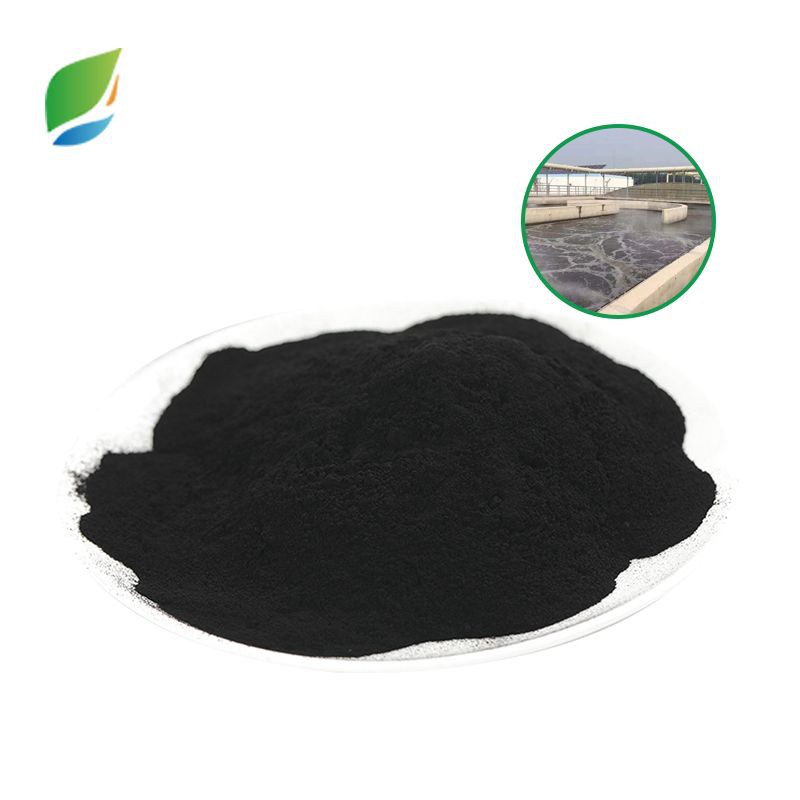
Powder Activated Carbon Filtration
Wood activated carbon powder is made from high quality fuelwood, wood chips, wood blocks, using advanced process, such as physical method, phosphoric acid method, zinc chloride method. Its has comparison area, large adsorption capacity, fast filtration speed and high ignition point, Widely used in food and beverage decolorization and other fields.

The wood based powder activated carbon is widely used in amino acid industry, refined sugar decoloring, monosodium glutamate industry, glucose industry, starch sugar industry, food additive, one-stop solution of pigment.

Activated Carbon Charcoal Pellets
Columnar activated carbon is mainly made of wood and coal. Developed pore structure, Large specific surface area, High wear resistance,low resistance, large adsorption capacity, easy

Wood activated carbon powder is made from high quality fuelwood, wood chips, wood blocks, using advanced process, such as physical method, phosphoric acid method, zinc chloride method. Its has comparison area, large adsorption capacity, fast filtration speed and high ignition point, Widely used in food and beverage decolorization and other fields.

Wood columnar activated carbon is made from high quality fuelwood, wood chips, wood blocks, using advanced process, such as physical method, phosphoric acid method, zinc chloride method. Its has comparison area, large adsorption capacity, fast filtration speed and high ignition point, Widely used in food and beverage decolorization and other fields.
Why Choose Us
Customer Service
We firmly believe that we offer THE BEST customer support in the industry and it is our ongoing goal to continually improve on our services. As an independently owned and operated business, we are able to provide the most accommodating service possible.
Professional team
We have a team of skilled and experienced professionals who are well-versed in the latest technology and industry standards. Our team is dedicated to ensuring that our customers get the best service and support possible.
Competitive prices
We offer our products at competitive prices, making them affordable for our customers. We believe that high-quality products should not come at a premium, and we strive to make our products accessible to all.
Rich experience
Has a long-standing reputation in the industry, which makes it stand out from its competitors. With over many years of experience, they have developed the skills necessary to meet their clients' needs.
Efficient and convenient
The company has established marketing networks around the world to provide high-quality services to customers in an efficient and convenient manner.
Quality assurance
In terms of quality assurance, the company strictly follows the standards and norms of the industry quality system. Adopt industry-leading testing equipment to ensure product quality and good reputation.
Applications of Activated Carbon from Wood Powder
Water Treatment
Activated carbon is widely used in water purification systems to remove contaminants, impurities, and odors. It effectively adsorbs organic compounds, pesticides, heavy metals, and other pollutants, resulting in cleaner and safer drinking water.
Air Purification
Activated carbon is employed as an adsorbent in air filters to remove harmful pollutants, odors, and volatile organic compounds (VOCs) from indoor air. It helps improve air quality and creates a healthier living or working environment.
Food and Beverage Industry
Activated carbon is utilized in the food and beverage industry for various purposes, including decolorization of sugar, purification of vegetable oils, and removal of impurities from alcoholic beverages. It enhances the quality and appearance of food and beverages.
Pharmaceutical and Medical Applications
Activated carbon is used in pharmaceutical formulations to adsorb toxins and drugs in case of overdosing or poisoning. It is also employed in medical devices, such as hemoperfusion cartridges, to remove uremic toxins from blood.
Chemical and Industrial Applications
Activated carbon is widely employed in various chemical and industrial processes, including gas adsorption, solvent recovery, purification of chemicals, and removal of pollutants from industrial wastewater. It helps improve process efficiency and reduces the environmental impact of industrial activities.
Production of Activated Carbon from Wood Powder

01.Raw Material Selection
02.Pretreatment
03.Carbonization
04.Activation
05.Post-Treatment
Notes of Using Activated Carbon
Prior to use, activated carbon should be cleaned to remove dust. These black dusts may temporarily affect the water quality of cleanliness. But it is recommended that do not directly use fresh tap water, because the porous
Activated carbon absorb the chlorine and the bleach in a lot of water and subsequently been used into the filter the activated carbon will cause damage to water quality.The usual simple cleaning is unable to clean the debris clogging the pores of activated carbon. So, be sure to regularly replace the activated carbon in order to avoid the loss of effectiveness due to adsorption saturation. Do not wait for its failure to replace, so be to ensure that the activated carbon can continue remove the harmful substances in the aquarium water. The recommended replacement of activated carbon is 1-2 times monthly.
The efficiency of activated carbon for water treatment is closely related to its processing amount; usually the larger amount has a better effect.
When a certain quantity of activated carbon is used, during the initial period the quality change of water should always be observed and pay attention to the observations, as it can be used to determine how long to replace the activated carbon.
Global Wood Powdered Activated Carbon Market Trends
Wood Powdered Activated Carbon Pre- and post-regulatory situations play an important role in shaping market dynamics. As governments introduce and improve regulations for the production, distribution and sale of wood powdered activated carbon products, companies must meet complex compliance requirements to ensure legal operations. Regulatory clarity and consistency are key factors that have a positive impact on the market, providing certainty to businesses and confidence in product safety and quality standards. Regulatory developments such as the approval of wood powdered activated carbon chemical and material products and the establishment of wood powdered activated carbon cultivation programs have opened up new opportunities for market expansion while setting standards for industry best practices.
Wood-based Activated Carbon Manufacturing Process
Raw Material Preparation
Raw materials need to be initially cleaned of dust and impurities attached to the surface, crushed into fragments with appropriate granularity if necessary, and then completed with batching. After that, they will be sent by conveyor to the carbonization kiln for calcination.
Raw Material Carbonization
In the carbonization kiln, under a high temperature of about 150-650°C, wood-based raw materials undergo a series of physical changes and chemical changes (thermal decomposition) to finally form a carbonized material with a certain scale of pore structure.
Carbon Activation
In the activation kiln, under a high temperature of 800-1050°C, the water vapor, carbon dioxide, or air are taken as activating gases to oxidize the carbonized material for further enlarging the pores in the body, creating new pores, and removing tar and other substances.
Washing & Drying
It is an optional process. It aims to remove foreign ions and other impurities inside the activated carbon. The washing process includes acid and water washing which is carried out in the washing tank. After washing, the activated carbon will be dried in the dryer (120 degrees).
Grinding & Screening
According to different application fields, wood-based activated carbon needs to be ground to different particle sizes or processed into special shapes. Therefore, we need to use grinding equipment, screening equipment, and other devices to complete this process.
Packaging
After grinding and screening, we will use automatic packing machines to pack the finished wood-based activated carbon into bags, usually 25kg/bag (customized according to requirements). Then they will be loaded into trucks or stored in warehouses.
Wood Powder Activated Carbon Features
Adsorption capacity
Wood powder activated carbon has high adsorption capacity due to its huge surface area and porous structure. It can effectively adsorb a variety of substances, including gases, liquids and dissolved contaminants.
Versatility
Wood flour activated carbon is versatile and can be customized for specific applications by adjusting its pore size distribution, particle size and surface properties. This flexibility allows for customization according to the requirements of different industries.
Chemical stability
Wood powder activated carbon has excellent chemical stability and can maintain its adsorption performance even in harsh chemical environments.
Regeneration
Wood flour activated carbon can be regenerated and reused multiple times, making it a cost-effective and sustainable option for a variety of applications. Regeneration involves heating the waste carbon to remove adsorbed contaminants and restore its adsorption capacity.
Low Toxicity
Wood flour activated carbon is generally non-toxic and safe to handle. However, some impurities or additives present in specific activated carbon products may require appropriate handling and disposal precautions.
Liquid phase adsorption
Coal-based activated carbon contains large quantity of heavy metal and ash, lower product purity. Coal-based activated carbon mainly adopt phsical method, pore is microporer, suitable for small molecule adsorption, so it has narrow application range, generally include petrochemical, metallurgy, printing and dyeing, sewage treatment and other industrial fields. Wood-based activated carbon has low content of ash, less impurities, it is easy to purify. Under the chemical production process, it is easy to adjust the pore distribution structure of activated carbon, with well-developed micropores and mesopores, and is widely used, especially in food and beverage, medicine and other fields that require high adsorption performance and product safety. So, wood-base activated carbon cannot be replaced with coal-based activated carbon.
Gas phase adsorption
Coal-based activated carbon has big intensity, and it is convenient to recover, so it is normally used in the gas phase adsorption. Wood-based activated carbon has lower intensity, Traditionally, it is not used for gas phase adsorption. However, with the advancement of technology and the improvement of production technology, the application of wood activated carbon has also been expanded to some emerging gas phase adsorption fields such as oil and gas recovery, household air purification, etc. and as people pay attention to health, with the increasing attention to environmental protection, its application space in the field of gas phase adsorption will further increase.
From the view of potential
Coal resource is non-renewable, coal-based activated carbon resources are limited and carbon dioxide emissions are greatly increased during the production process, so product prices are on the rise driven by raw materials and environmental protection costs. Because the main raw material of wood-based activated carbon is the "three leftovers" of forest products, which can be recycled, and the price is expected to tend to decrease relatively due to technological progress, the long-term competitive advantage of wood-based activated carbon is higher than that of coal-based activated carbon.
How to Distinguish Wood-Based Activated Carbon and Coal-Based Activated Carbon
Weight
Put the powdered activated carbons of two materials in the same humidity space for several days, and then weigh two kinds of carbons of the same quality, the smaller one is coal-based charcoal, and the larger one is wood-based charcoal.
Ash
Weigh two powdered activated carbons of the same quality and burn them. The one with less ash content can be preliminarily confirmed to be wood powdered activated carbon.

Our Factory
Hongsen company, founded in 2000, is a professional manufacturer of activated carbon in Shijiazhuang City, Hebei Province, and currently produces various multi-purpose series of activated carbon. The company has passed ISO9001:2008 quality management system. The company researches and develops various series of activated carbon, forming a vertically integrated business structure from raw material collection and processing to product terminal sales.

Certifications

FAQ
Hot Tags: wood powder activated carbon, China wood powder activated carbon manufacturers, suppliers, activated carbon water treatment, Activated Charcoal Pharma, Wood Vinegar Liquid, Coal Based Granular Activated Carbon, Carbon Active Coal, Active Carbon Production From Coal


